Storm and hail roof damage repair in Moore
Wind and hail can damage a roof without telling the whole story from the ground. Get help assessing storm-related roof concerns in Moore.
Free roof inspections in Moore
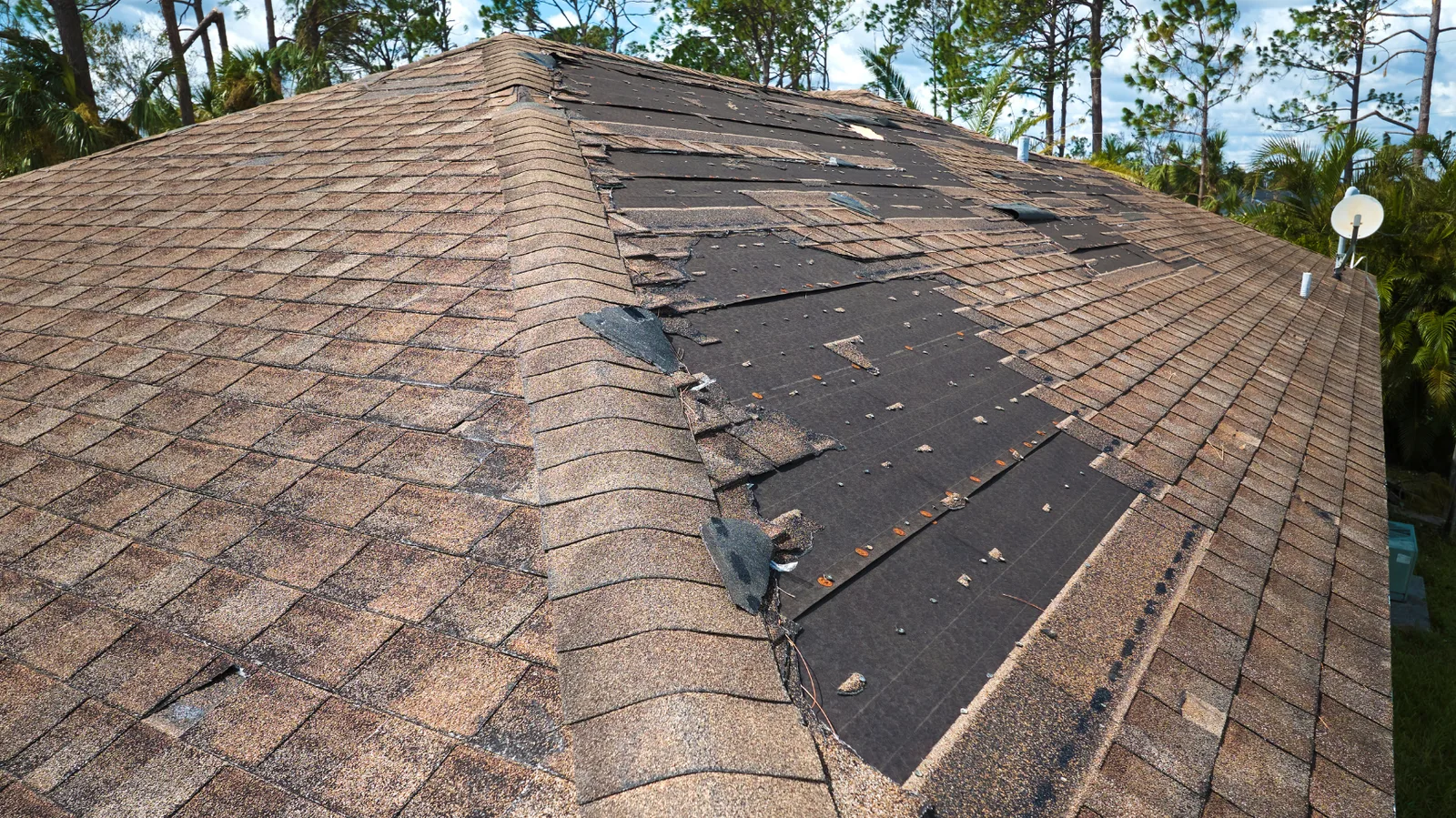
A Moore storm damage inspection looks beyond missing shingles
Hail can disturb the protective surface of a shingle or damage its reinforcing mat. Wind can lift, crease or remove material and open a path at an edge or flashing. The roof needs to be examined for the kind of damage present, including areas that may not yet be leaking.
A nearby storm report does not establish what happened at your address. Nor does a dented gutter prove that every shingle needs replacement. The assessment connects physical findings on the roof with the repairability of the surrounding covering.
A roofer also considers the details that interrupt the surface: vents, wall junctions, ridges and edges. Damage there can matter even when broad roof slopes look intact. Request a free inspection if you have noticed a change after severe weather or simply want the roof checked.

What hail and wind do to a Moore roof
Storm damage isn’t always the dramatic kind. Some damage is less obvious and can exist without an indoor leak.
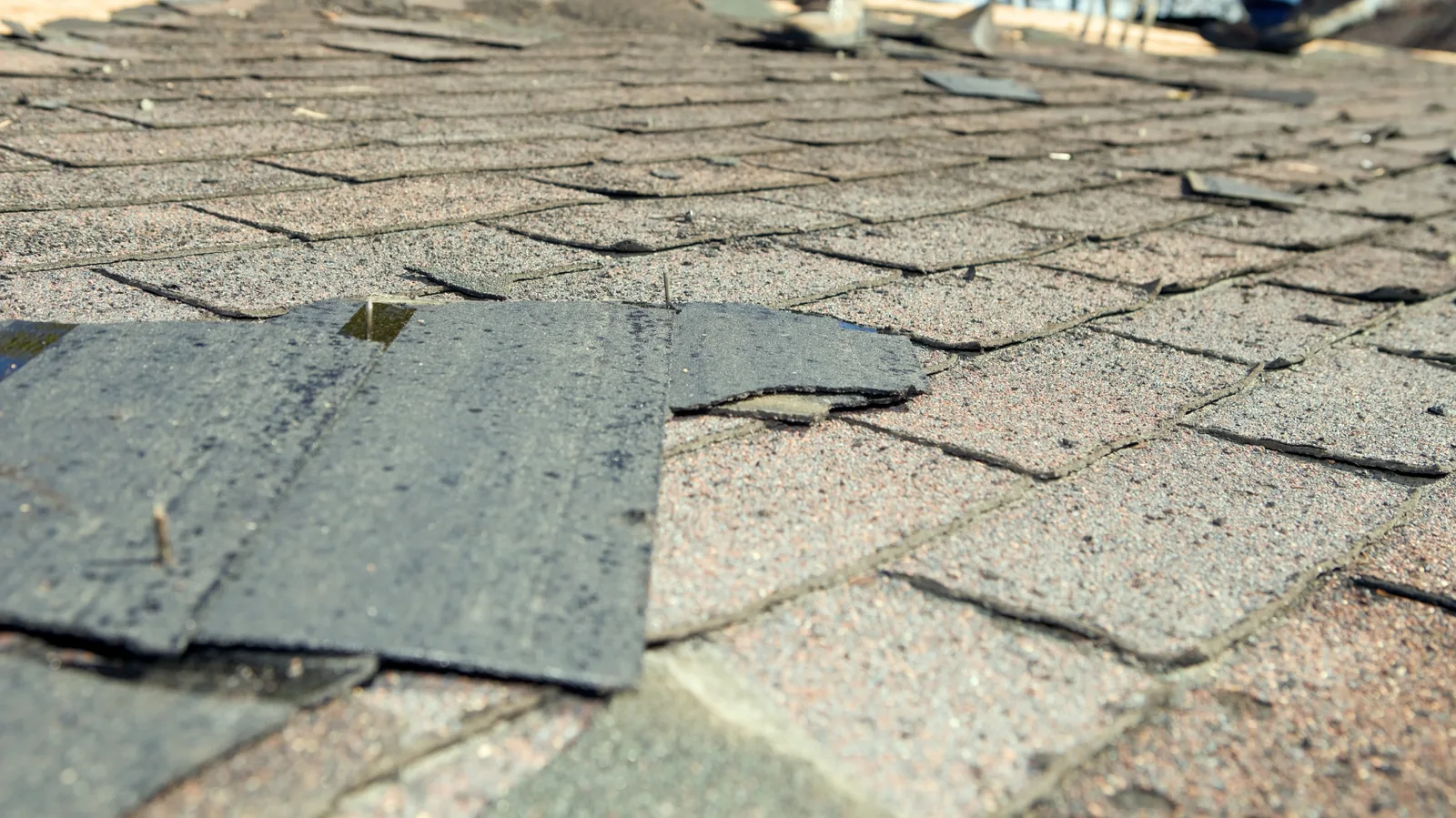
Hail bruises
Hail can dislodge granules and fracture or bruise a shingle’s reinforcing mat. The effect depends on the impact, shingle and supporting assembly. Surface marks and softness need to be interpreted with the surrounding condition; they do not by themselves establish when a leak will occur.
Broken seals and creased tabs
Shingle sealants and fasteners work together to resist uplift. Wind can lift or crease tabs, but an unsealed tab can also reflect installation, temperature or aging. The assessment considers tears, creases, attachment and the surrounding pattern before attributing a condition to wind or choosing a repair.
Ridges, edges and corners
Edges, corners and ridges can face high uplift pressures, depending on the building and wind conditions. Their caps, starter and fastening deserve close attention. Missing pieces there expose the ends of the underlayment and let wind-driven rain in under the rest of the shingles.
Vents, flashing and gutters
Dents in vents, flashing and gutters can provide impact evidence alongside the shingle findings. Their size and position do not establish the hailstone size, event or condition of every slope on their own. Cracked vents or displaced flashings may need repair even when much of the covering remains serviceable.
What isn’t storm damage
Blisters, granule loss from age, scuffs from foot traffic and old repairs can all be mistaken for hail. The assessment considers those alternatives alongside impact patterns and event information. Where the cause remains uncertain, the explanation should say what the visible evidence supports.
How storm roof repairs in Moore take shape
Address an active opening
A missing section of covering or exposed interior needs attention based on present safety and weather conditions. Temporary protection, where appropriate, reduces further exposure while the permanent work is determined. Do not climb onto a storm-damaged roof or approach downed electrical lines.
Establish the repair boundary
Replacement shingles must join material that can be lifted and resecured without creating more damage. If surrounding shingles break during that work, the boundary can widen. The visible damaged patch does not always define the complete repair.
Consider broader deterioration separately
An older, worn roof can also have storm damage. The explanation should distinguish those conditions rather than attributing every defect to one event. That distinction helps you understand both the proposed roofing work and any separate insurance discussion.
Storm damage repair or roof replacement in Moore?
After a storm, the question is whether the damage can be fixed where it is. These are the things that decide it.
Where the damage is
A few shingles off one slope, a damaged ridge cap, one cracked vent.
Bruising or creased tabs spread across whole slopes, so there’s no sound area to stop at.
How the old shingles behave
They tolerate handling and can accept compatible fastening and sealing over sound support.
They crack during careful handling, making a sound repair connection harder to achieve.
What’s underneath
Existing underlayment, decking and support that remain suitable for a compatible repair.
Deteriorated or unsuitable decking or affected layers that need correction. Assess the support and extent of damage; wetness or softness alone does not settle the replacement scope.
How it will look
The shingle is still made, or the repair is on a back slope.
The shingle is discontinued and the patch would sit on the front of the house. That’s an appearance question more than a roofing one, and it’s yours to weigh.
If the damage is limited, roof repair explains how that work gets done. If it isn’t, roof replacement covers the full job.
Roof findings and insurance decisions are different
A roofing assessment explains the condition and the work that would address it. Your insurer decides coverage under the policy, including any exclusions, deductible and settlement terms. A recommendation for replacement is not a promise that insurance will pay for it.
Keep safe photographs and relevant dates if you already have them, and contact your insurer for claim instructions. The roof insurance guide explains the process using Oklahoma Insurance Department guidance. You can request roofing help without arriving with a completed claim.
Storm Damage FAQs
Can hail damage a roof that is not leaking?
Yes. Damage to the covering can exist before water reaches the interior. A dry ceiling is useful information, but it does not replace an assessment of the roof after a suspected damaging event.
Does an impact-rated roof resist every storm?
No. A test classification describes performance under specified test conditions. It is not a guarantee against all hail or wind, and it does not decide insurance coverage. See the shingle types guide for the distinction.
Does this site have current hail reports for my address?
No. The storm reference contains selected historical tornado records in or near Moore from 1998 through 2015. It is not a current hail tracker or evidence of damage to an individual property.
Request a storm damage roof inspection in Moore
Tell us when you noticed the change and whether water is entering now. A free inspection can help establish what the roof needs.
Call (405) 814-1092