Roofing services in Moore, OK
From a roof detail that needs repair to a larger project, start with the roofing concern you want resolved.
Free roof inspections in Moore
Find roofing services in Moore
Choose the roof concern or project below. Each service explains the work and the conditions that shape it.
Homes, additions and roof edges
Roof repair
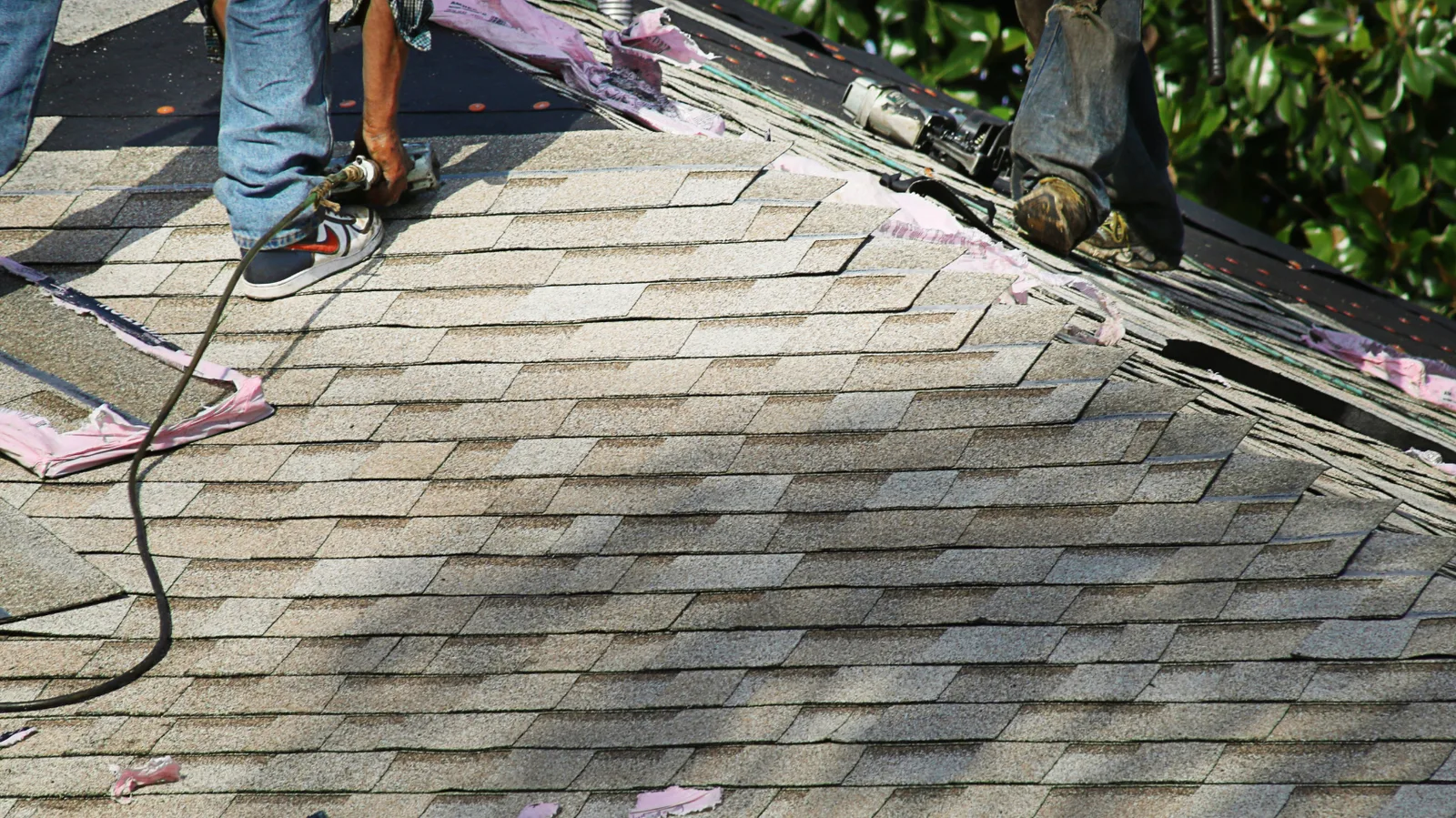
Repair the failed shingle, flashing or vent connection while preserving sound roofing around it.
View roof repair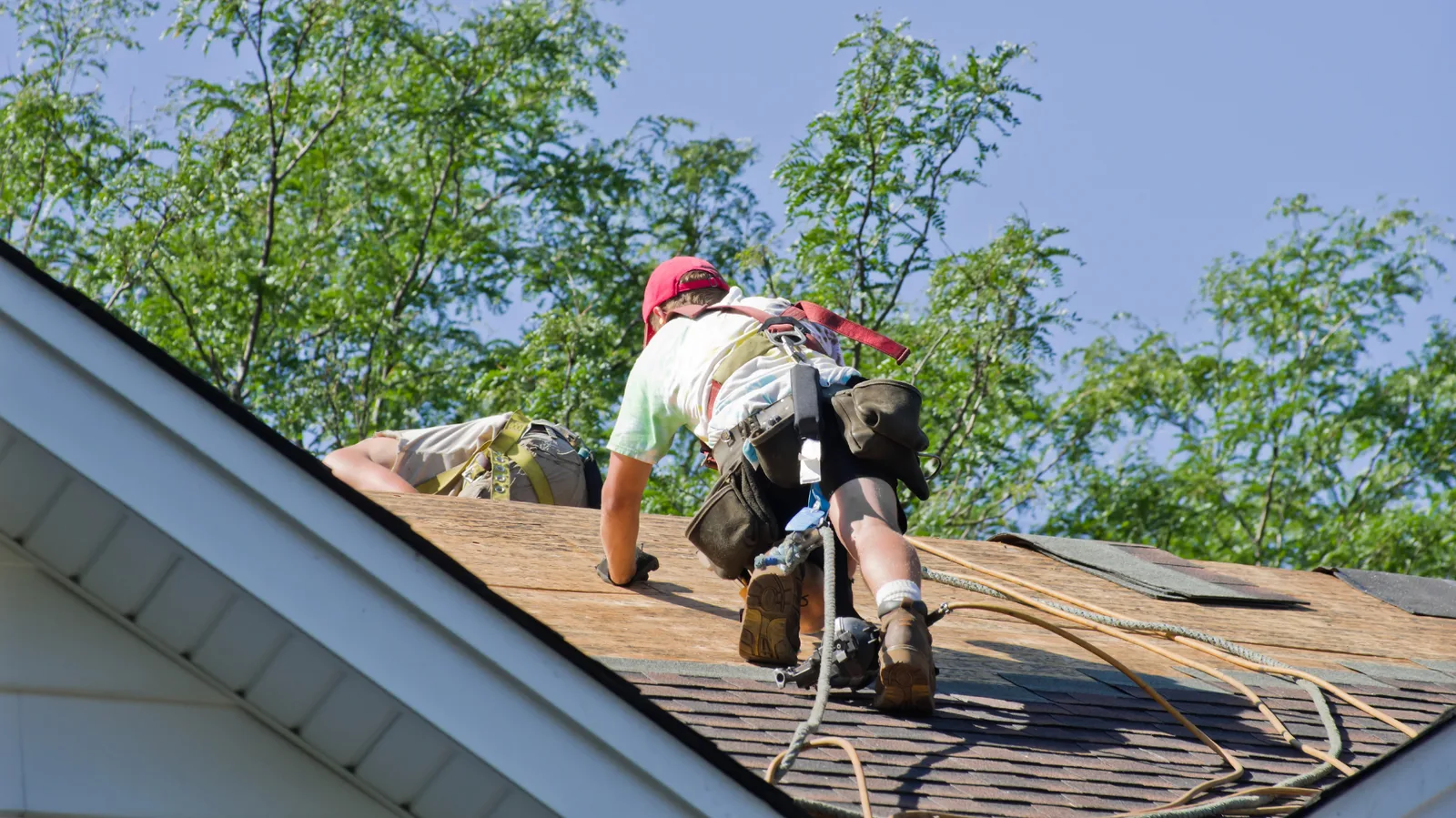
Roof replacement
Plan removal, deck work and the covering that will go back on your home.
View roof replacement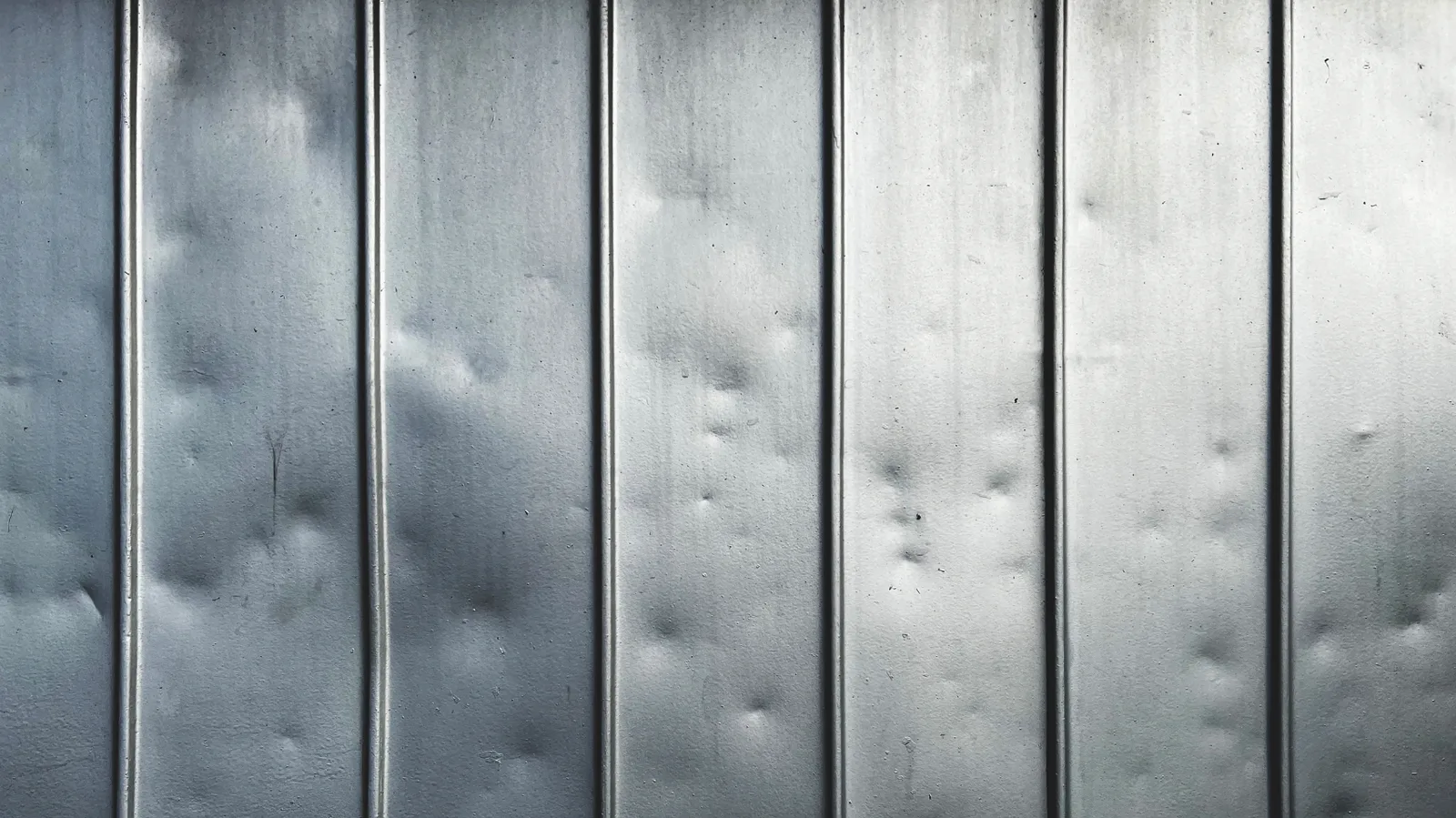
Storm and hail damage
Have displaced roofing or suspected impacts checked against the condition of the actual roof.
View storm and hail damage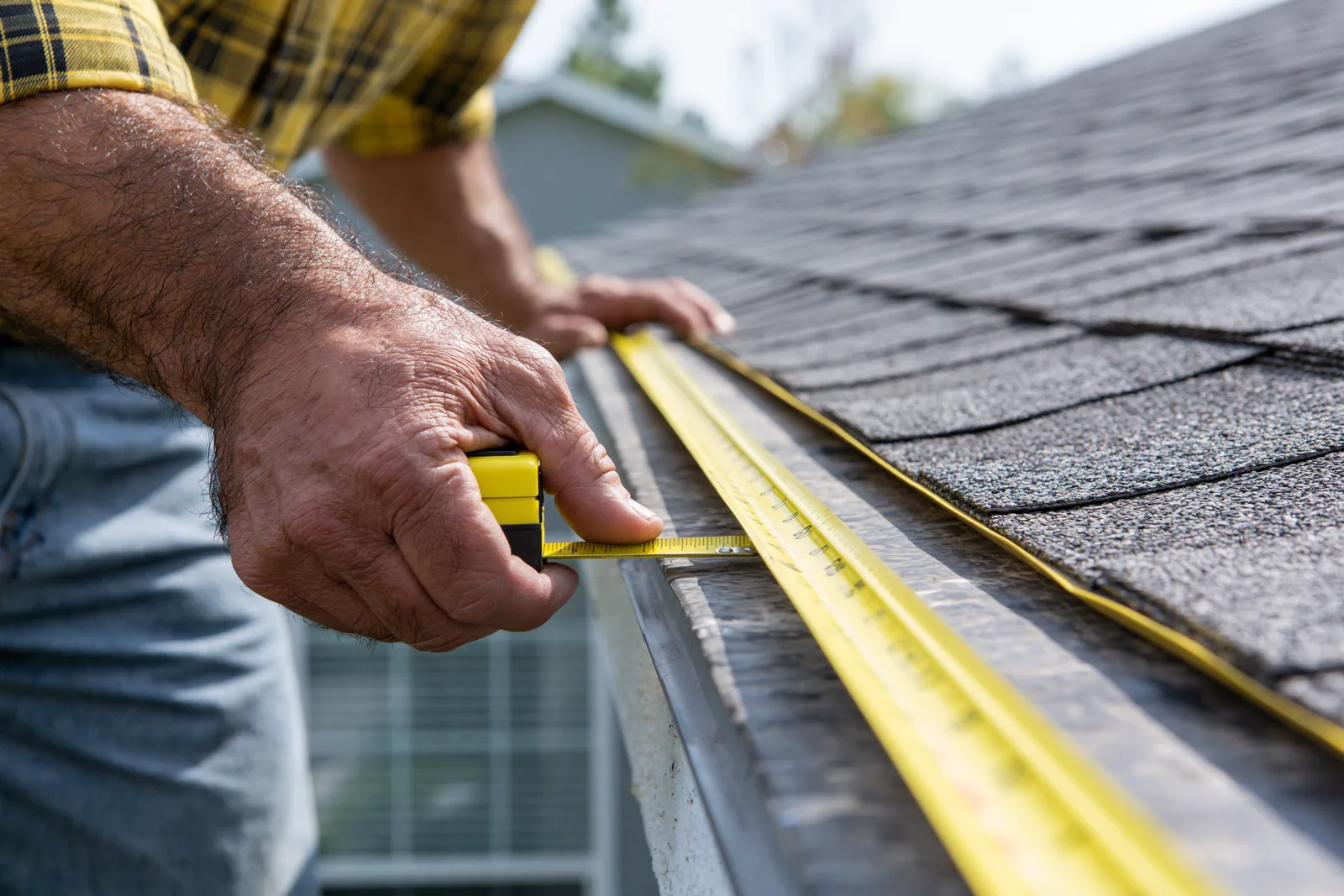
Free roof inspections
Get a closer look at the covering and connections before choosing the work.
View free roof inspections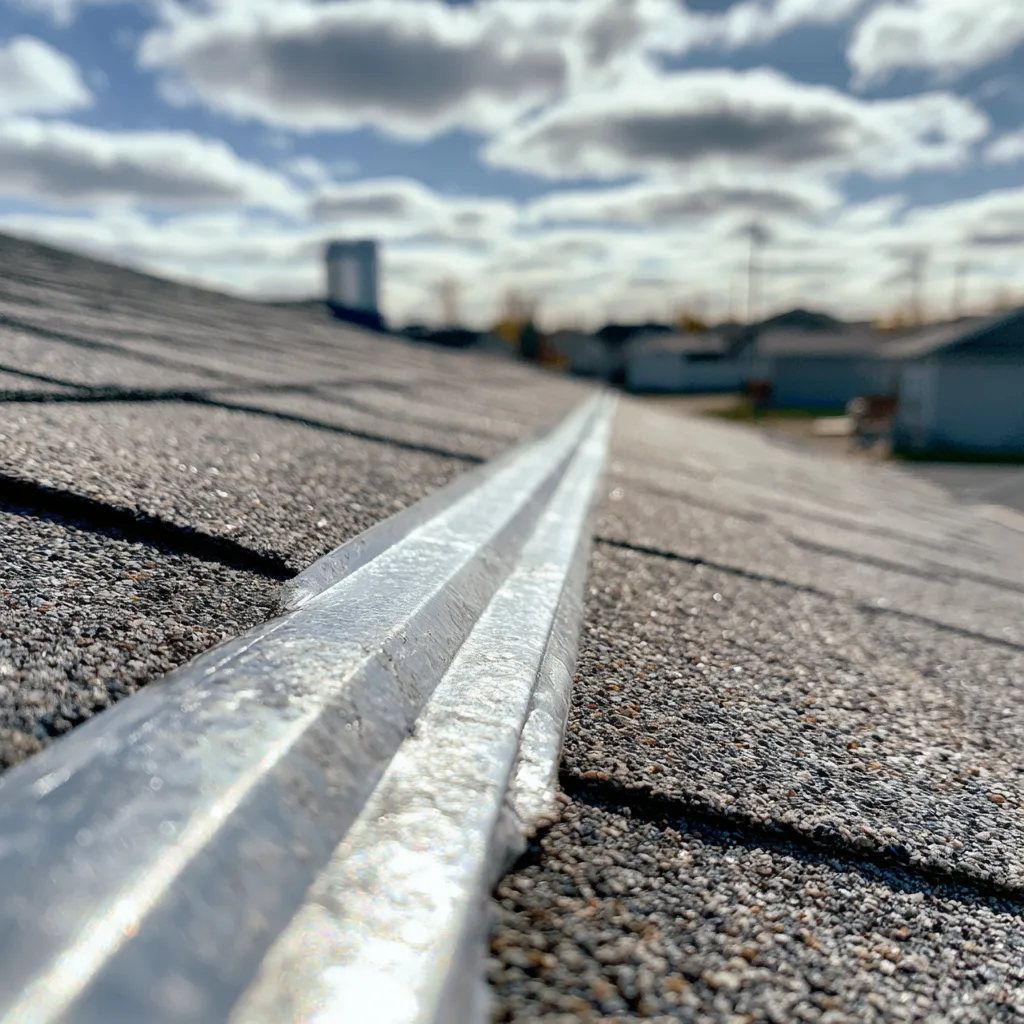
Roof leak repair
Follow a recurring ceiling stain to the entry path before another patch is chosen.
View roof leak repair
Metal roofing
Compare panel attachment, movement and trim as well as the roof’s new appearance.
View metal roofing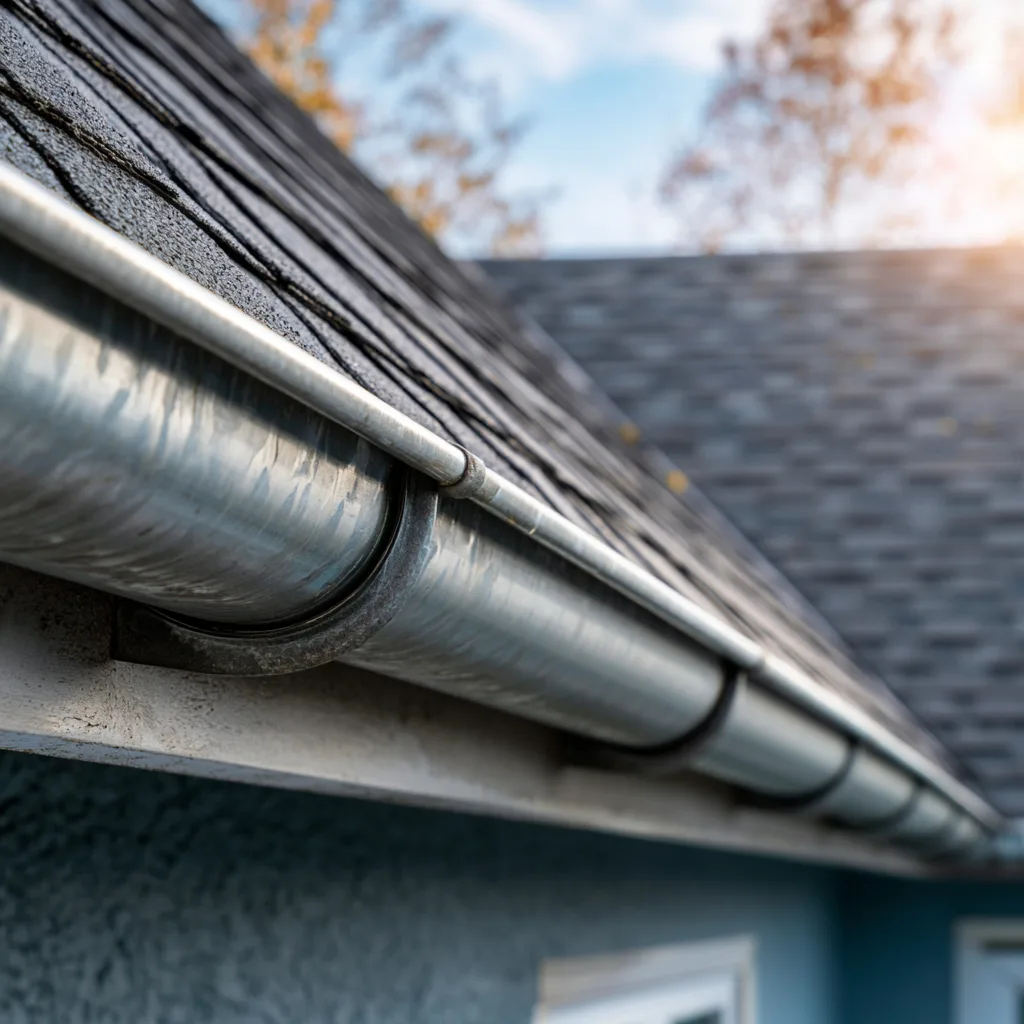
Gutters
Trace overflow from the collection edge through the outlets and downspouts.
View gutters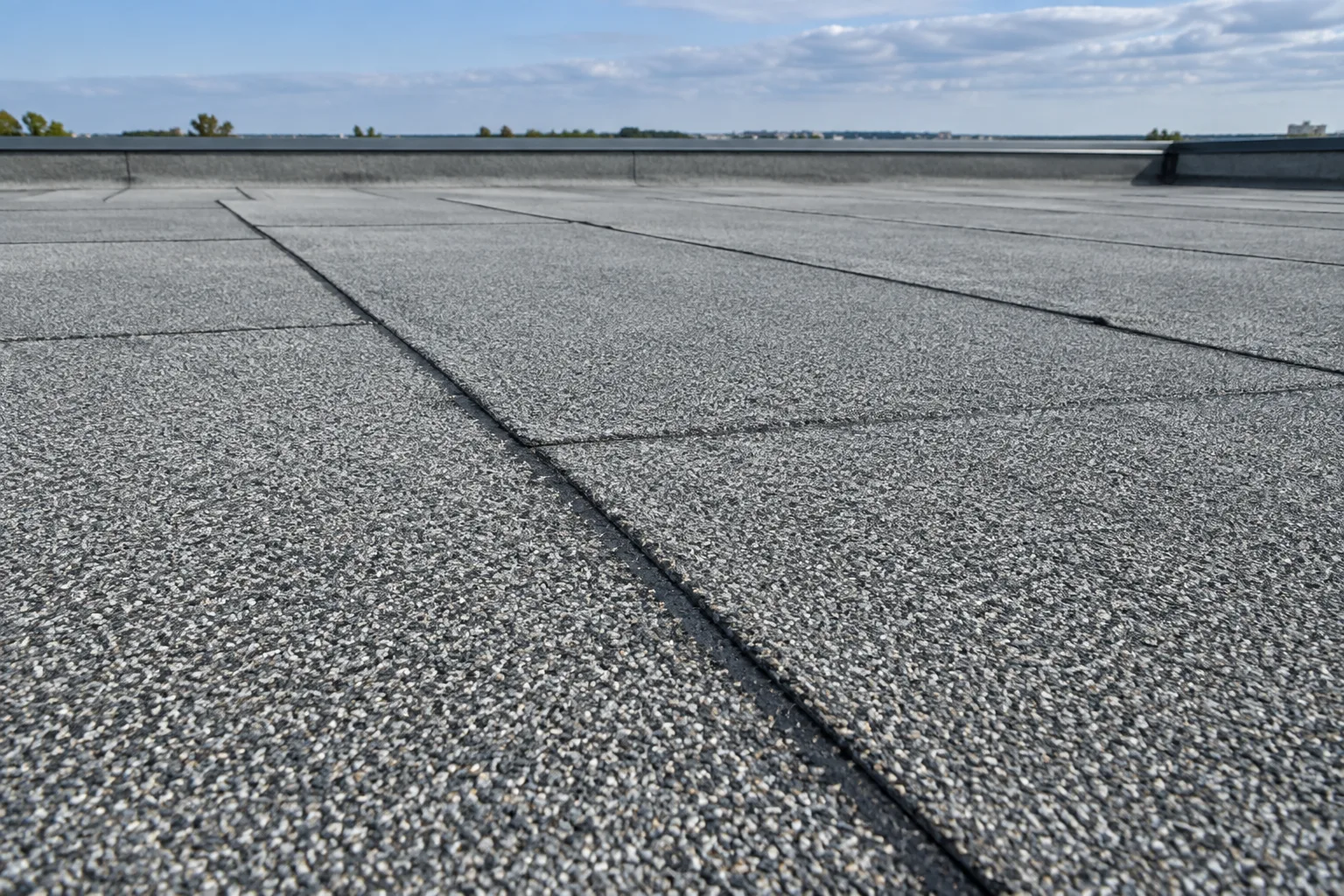
AI-generated illustration
Flat roof repair
Match repairs on a porch or addition to its low-slope membrane and wall connection.
View flat roof repair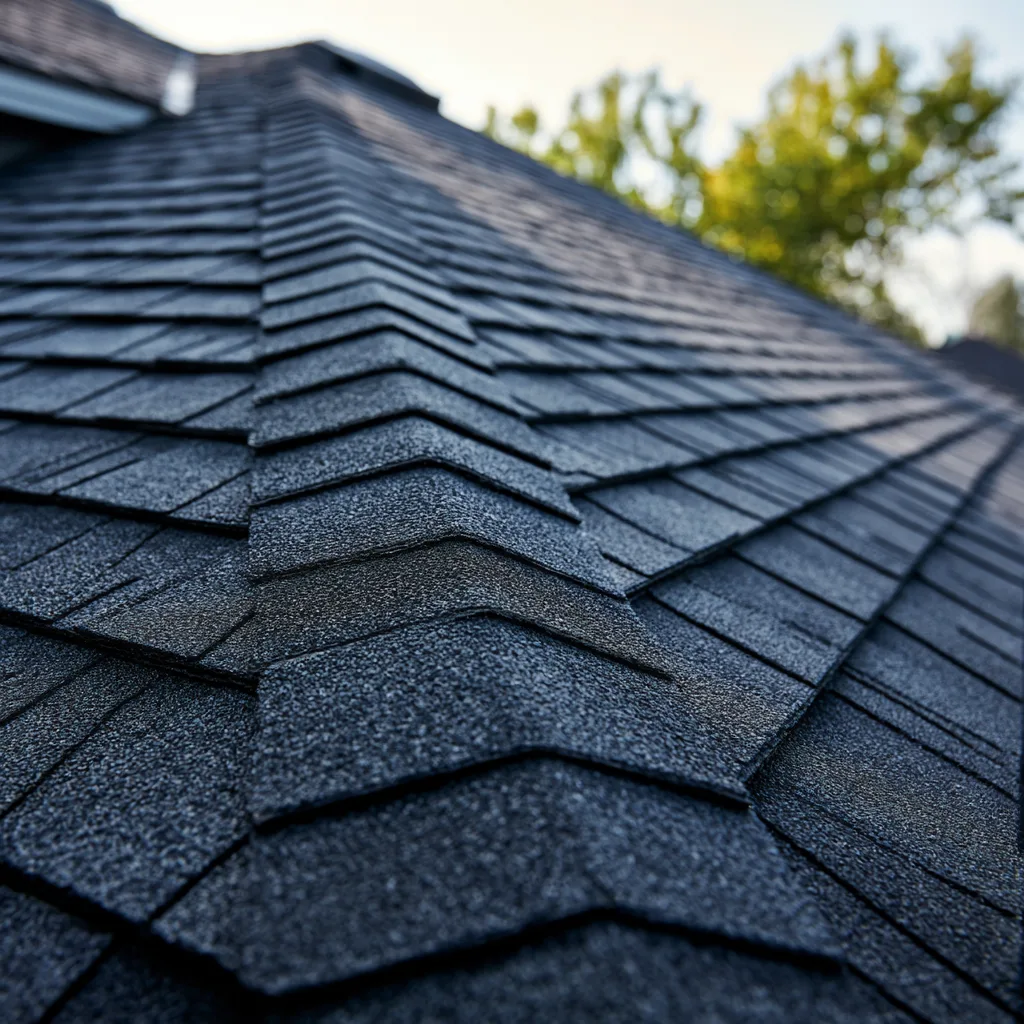
Shingle types
Compare shingle profiles and exact product ratings for the covering you are considering.
View shingle typesCommercial buildings and systems
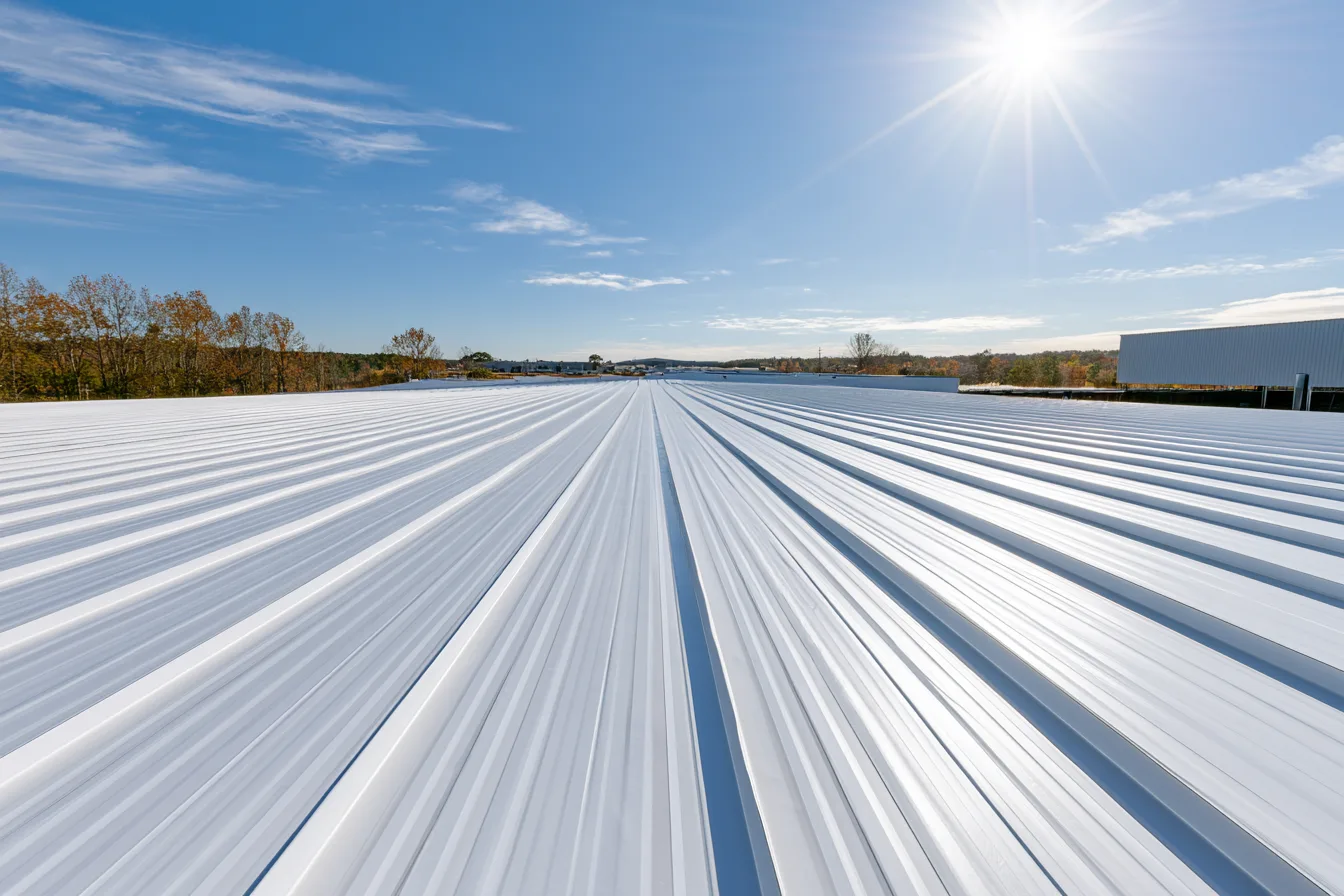
Commercial roofing
Put the roof system, equipment access and occupied building into one project scope.
View commercial roofing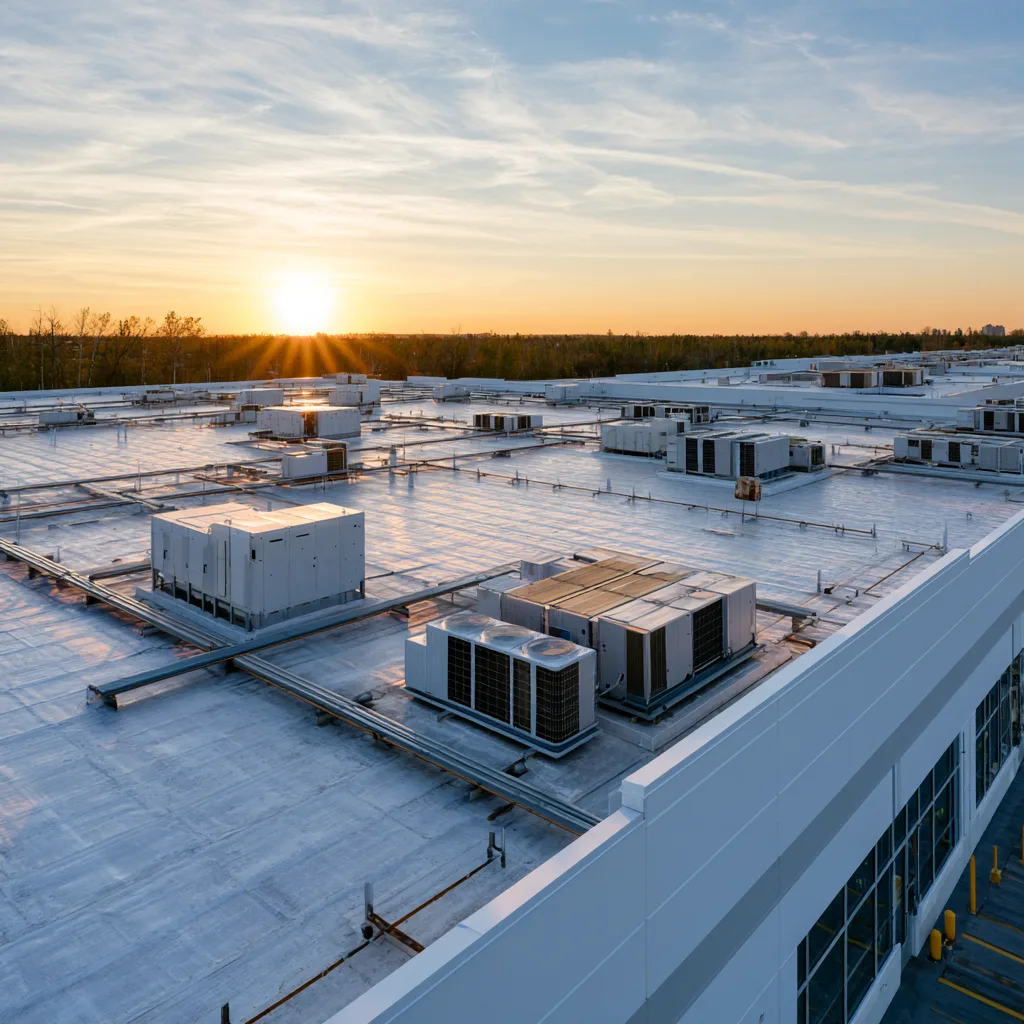
Commercial TPO
Assess welded seams, attachment and underlying layers before patching or renewal.
View commercial TPO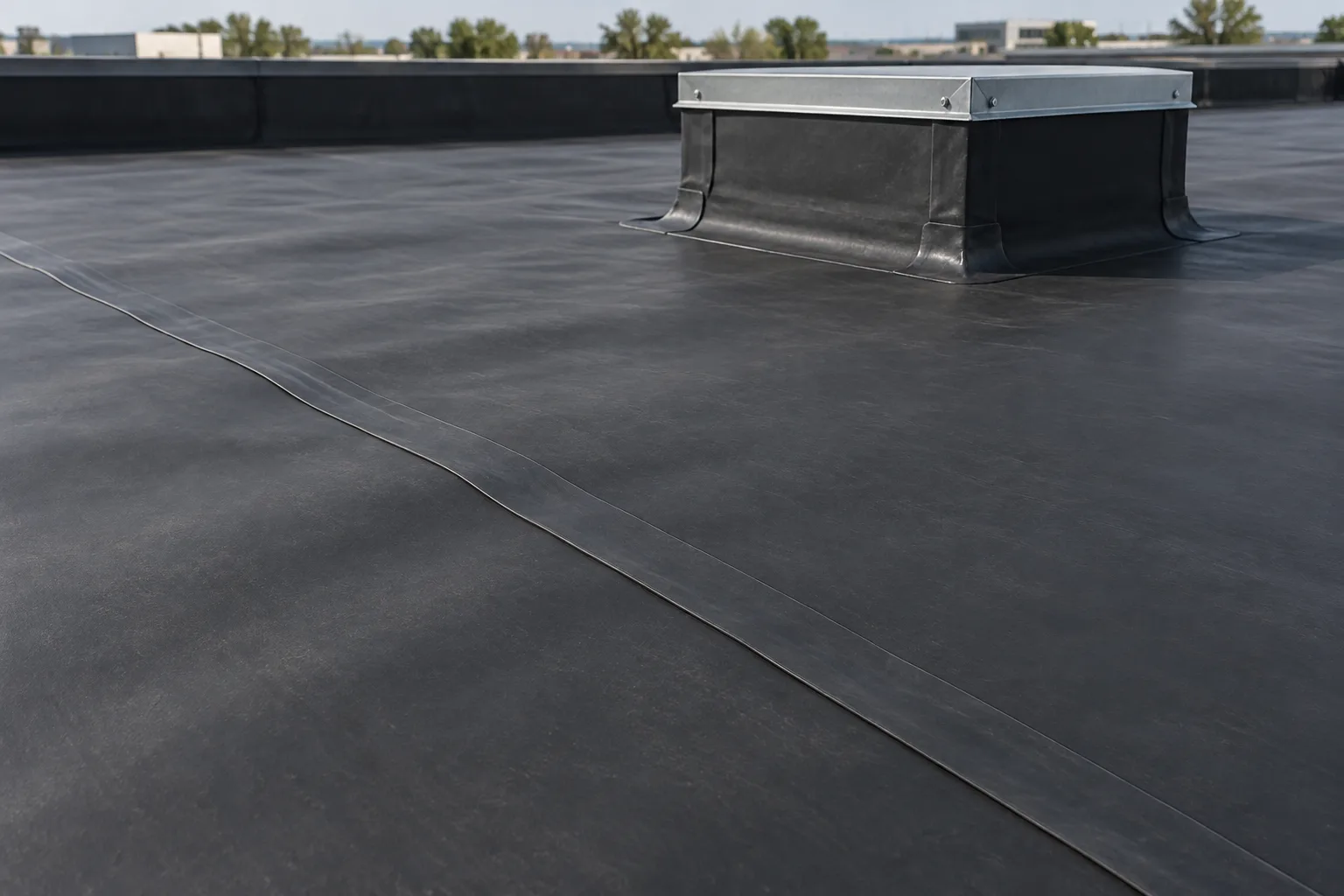
AI-generated illustration
Commercial flat roofing
Consider membrane condition, moisture and the complete route to the drains.
View commercial flat roofing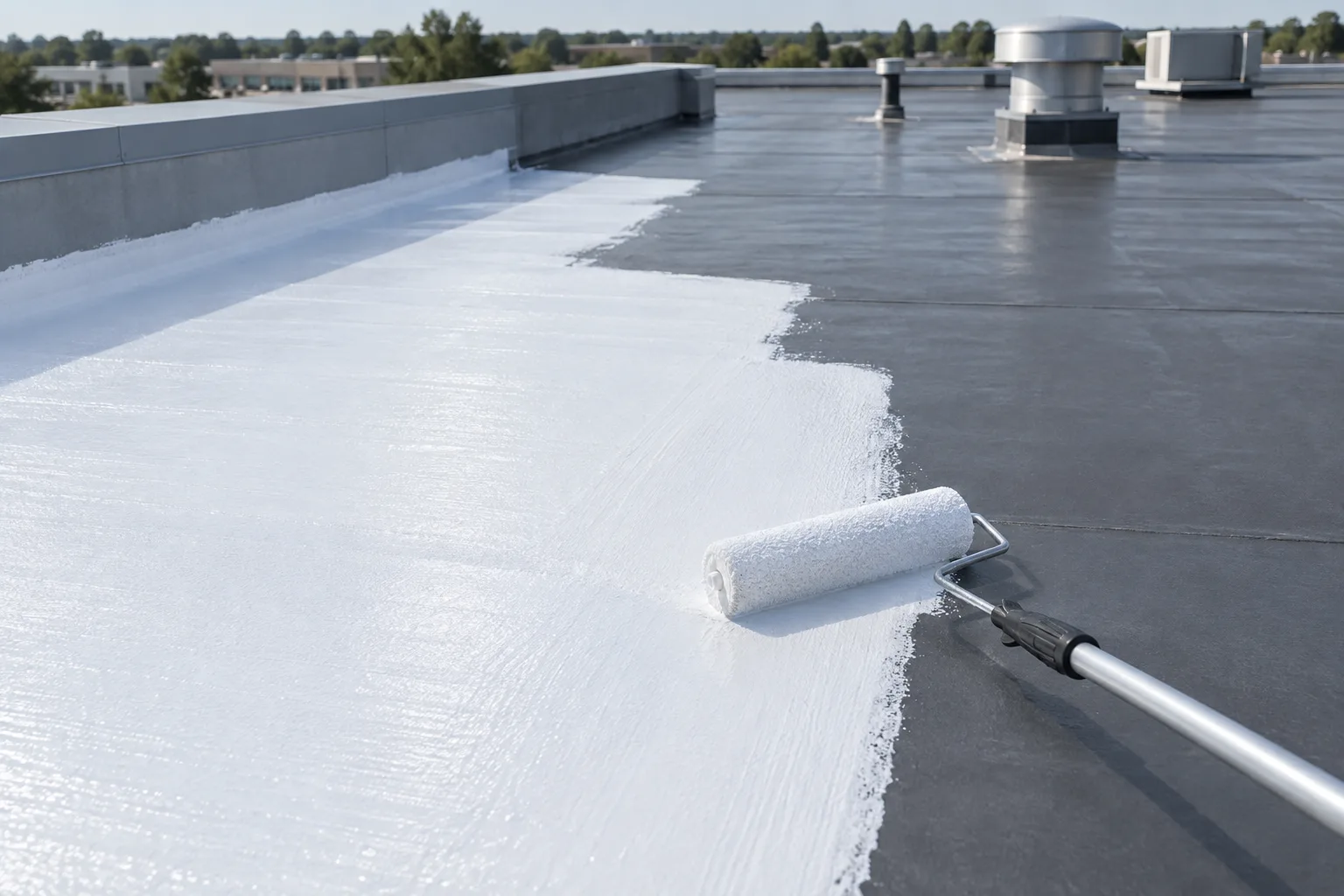
AI-generated illustration
Roof coatings
Qualify the surface and repair scope before selecting a restoration system.
View roof coatingsRoofing services for Moore homes and buildings
A roofing concern can start with something small: a stain on a bedroom ceiling, a shingle in the yard after a windy night, a gutter pouring over the front door. What happens next depends on what’s going on up top, and that’s hard to tell from the driveway.
Roofing work sorts itself into a few kinds. If one part has failed and the roof around it is still in good shape, that’s a repair. If water is getting in and nobody knows where, the job starts with tracing the leak. If you’re not sure what you have, an inspection helps identify the visible condition and any further investigation needed. After hail or high wind, a storm assessment looks for damage that hasn’t started leaking yet. And when the shingles are worn out across whole slopes, replacement is the honest answer, along with a choice about what goes back on.
The sections below walk through each kind of work and how they connect, so you can start in the right place. If you can’t tell which one fits, that’s fine. Tell us what you noticed and the answer gets worked out on the roof.
How the roofing work connects
Start with what you’ve noticed. Each group explains what that kind of work involves and links to the page that covers it in detail.
One thing has failed
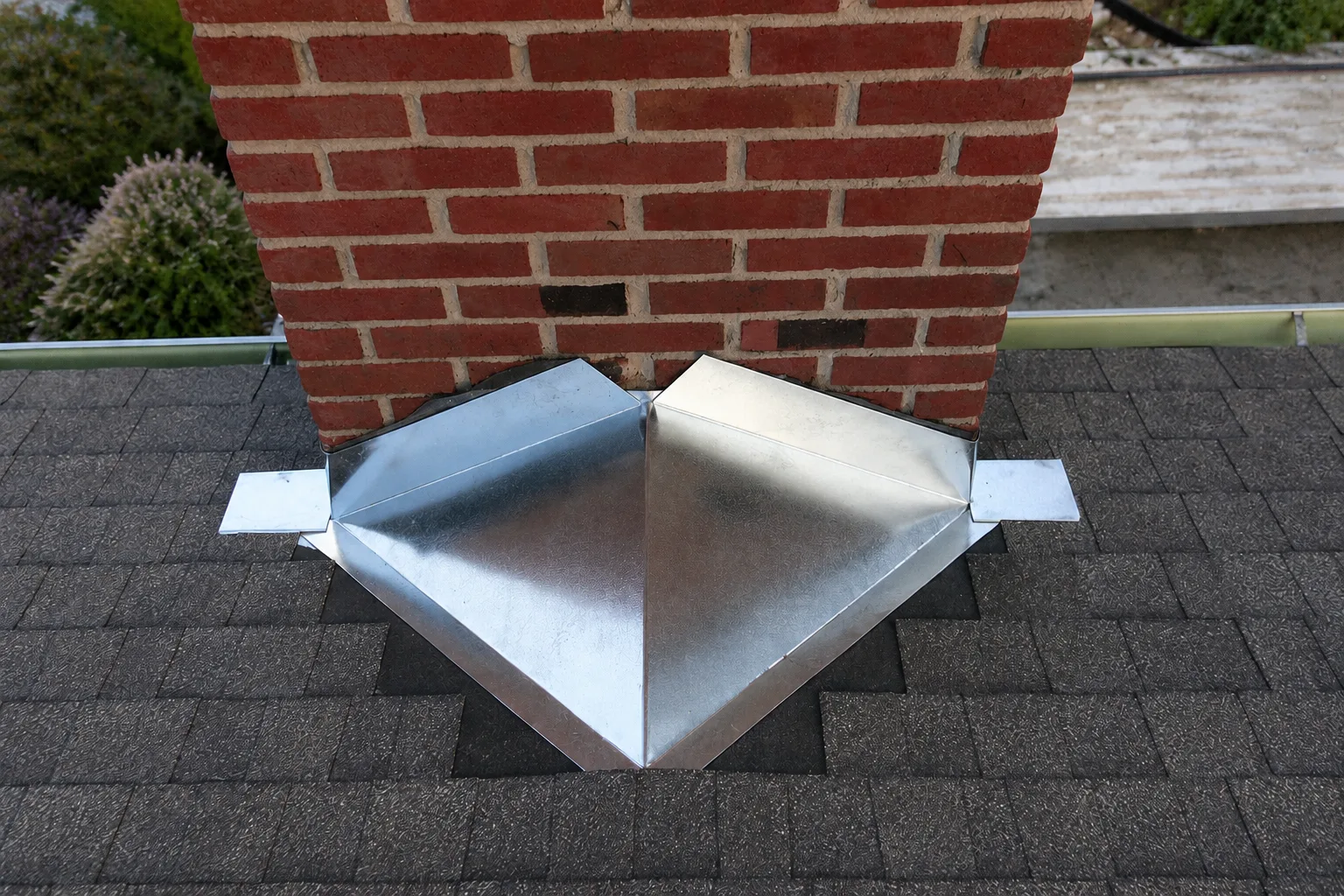
A cracked vent flashing, an open wall connection or shingles displaced by wind can create a local opening. A repair reaches sound material around it and restores the layers that shed water. The covering must accept compatible fastening and sealing, with suitable support below; being able to bend a shingle is only one part of that assessment.
A leak is a little different, because the stain on the ceiling and the opening in the roof can be several feet apart. Water runs along the underside of the decking or down a rafter before it drips. Leak work starts with finding the way in, then becomes a repair like any other.
- Roof repairShingles, flashing, vent boots and valleys, and how a repair ties back into the roof around it.
- Roof leak repairHow a leak gets traced from the room where it shows up to the spot where water gets in.
You’re not sure what the roof needs
A roof question does not need to begin with a leak. The roof came with the house and nobody knows its age. A neighbor is getting theirs replaced. Hail came through last week and everything looks fine from the yard. A free inspection includes a roof walk where safe access and conditions allow. It checks the visible covering and connections, including areas that need attention or further investigation. A serviceable roof may need no immediate roofing work.
After a storm, the look is more specific. Hail can knock granules loose and bruise the mat underneath without an immediate indoor leak. Wind can break the seal on shingle tabs leaving tabs more vulnerable to further wind. A storm assessment checks your roof for that kind of damage. A hail report for the county doesn’t tell anyone what happened at your address.
- Free roof inspectionsThe covering and connections a roofer checks, and the limits of visible findings.
- Storm and hail roof damage repairWhat hail and wind do to shingles, and how storm repairs get scoped.
The roof is worn out across the board
Shingles don’t last forever under Oklahoma sun and hail. When they’ve gone brittle, lost their granules across whole slopes or been patched so often that the patches are failing too, the question is whether another repair can join a serviceable assembly. Replacement takes the roof down to the wood deck, fixes any bad decking and rebuilds the layers that keep water out: underlayment, flashing, edge metal, vents and the new covering.
It’s also the moment to choose what goes back on. Architectural asphalt shingles are the familiar choice. Metal offers different profiles, fastening and trim requirements. Either way, the material is one decision inside a bigger job.
- Roof replacementTear-off, decking, underlayment, flashing and vents, and the order the work runs in.
- Metal roofingExposed-fastener and standing-seam panels, and the trim work that makes them watertight.
- Shingle typesThree-tab, architectural and impact-rated shingles compared.
Roof edges and low-slope sections
The roof’s job doesn’t end at the last row of shingles. Gutters catch what comes off the edge and carry it to a downspout. When they sag, clog or pull away from the fascia board, water can spill or run behind them and expose the supporting wood to moisture. That’s why gutter work and roof-edge work get looked at together.
Porches, patio covers and room additions can have a roof too flat for shingles. Those sections take a membrane or rolled roofing with sealed seams, and they leak in their own ways: at the seams, at the wall where they meet the house, and wherever water sits. Repairing one starts with knowing which material is up there.
- Gutter repair and replacementFascia, hangers, slope, outlets and downspouts, from the roof edge to the ground.
- Flat roof repairMembrane types on porches and additions, and how each one gets patched.
From a Moore roof inspection to a scope of work
A roofing scope describes what will be fixed or replaced, what can stay and which concealed conditions could change the job. An inspection can also find that no immediate repair is needed. When work is proposed, its components should connect to the actual condition.
The part you see from the street is the covering. Underneath it are the underlayment, the wood deck, the flashing at every wall and pipe, and the vents that let the attic breathe. A repair leaves most of that alone and rebuilds one spot. A replacement takes the covering off everything, so it has to account for decking, flashing, vents, edge metal and hauling the old roof away.
Decking can be partly concealed. Visible sagging, accessible underside evidence or prior openings may raise concerns, while removal can reveal additional damage. A clear scope explains how that extra work will be confirmed and handled before it is covered again.

What a clear roofing scope spells out
- The problem
What failed or wore out, and where: the boot on the back slope, the flashing along the chimney, brittle shingles across both main slopes.
- The work
What comes off and what goes on. For a repair, how far the opening runs to reach sound shingles. For a replacement, the tear-off, underlayment, flashing, vents, edge metal and new covering.
- What stays
The parts being reused, and why they’re fit for it. Any reused flashing or vent must remain sound, compatible and acceptable under the selected assembly’s requirements. A worn connection should be addressed before it is concealed.
- The unknowns
Decking and anything else hidden under the covering, with how extra wood gets handled and priced if the tear-off exposes it.
- The materials
The actual shingle, panel or membrane by name, so the price and any warranty terms refer to a real product.
- The property
Where materials get dropped, how the driveway, plants and AC unit get protected, and how the old roof gets hauled off.
An illustrative outline of how roof findings turn into a described job.
Commercial roofing for Moore buildings
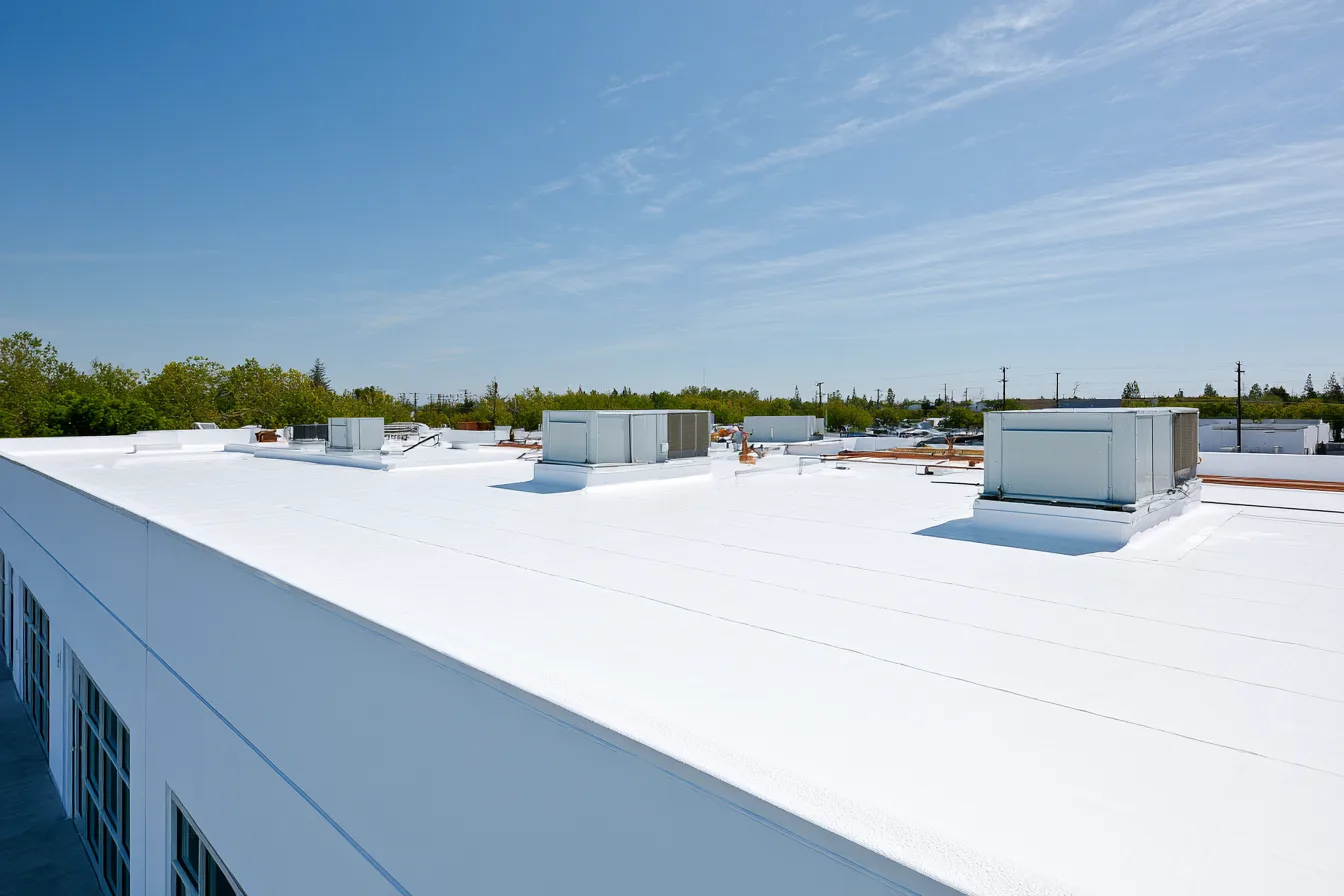
A low-slope commercial roof may use single-ply membrane, modified bitumen, built-up roofing or another system. Metal and steep-slope coverings also serve commercial buildings. Seams, equipment curbs, drains, parapets and the open roof surface need attention together; the material and building determine the details.
For an owner or property manager, moisture, drainage and repairability shape the decision. A patch or coating cannot repair deteriorated decking or wet insulation that needs removal. Blocked outlets and low areas have different remedies. The condition of the membrane and attachment then helps determine whether repair, qualified restoration or replacement makes sense for the whole assembly.
Work on an occupied building also has to fit around the people inside: tenants, customers, deliveries, rooftop units that can’t be shut down in July. That planning belongs in the conversation from the start.
- Commercial roofingRepair, restoration and replacement compared for an occupied building.
- Commercial TPO roofingHeat-welded single-ply: seams, attachment and when a repair is enough.
- Commercial flat roofingDrainage, wet insulation and what a replacement has to rebuild.
- Commercial roof coatingsWhich roofs qualify for a coating and the prep it takes.
You do not need a diagnosis to ask for help
You can describe a stain, a loose piece of roofing or a project you’re planning without knowing the trade name for any of it. Tell us where the property is and what you’ve noticed. A free inspection brings the roof’s visible condition into the conversation, with a roof walk when safe access allows and an explanation of any further investigation needed.
Start with your roof question
Tell us what changed or what you are planning. We can begin there.
Call (405) 814-1092