After hail in Moore: what a roof inspection can tell you
Updated
After hail, a dry ceiling is reassuring but does not answer every question about the roof. An inspection helps connect the recent concern with physical conditions on the covering and its details.
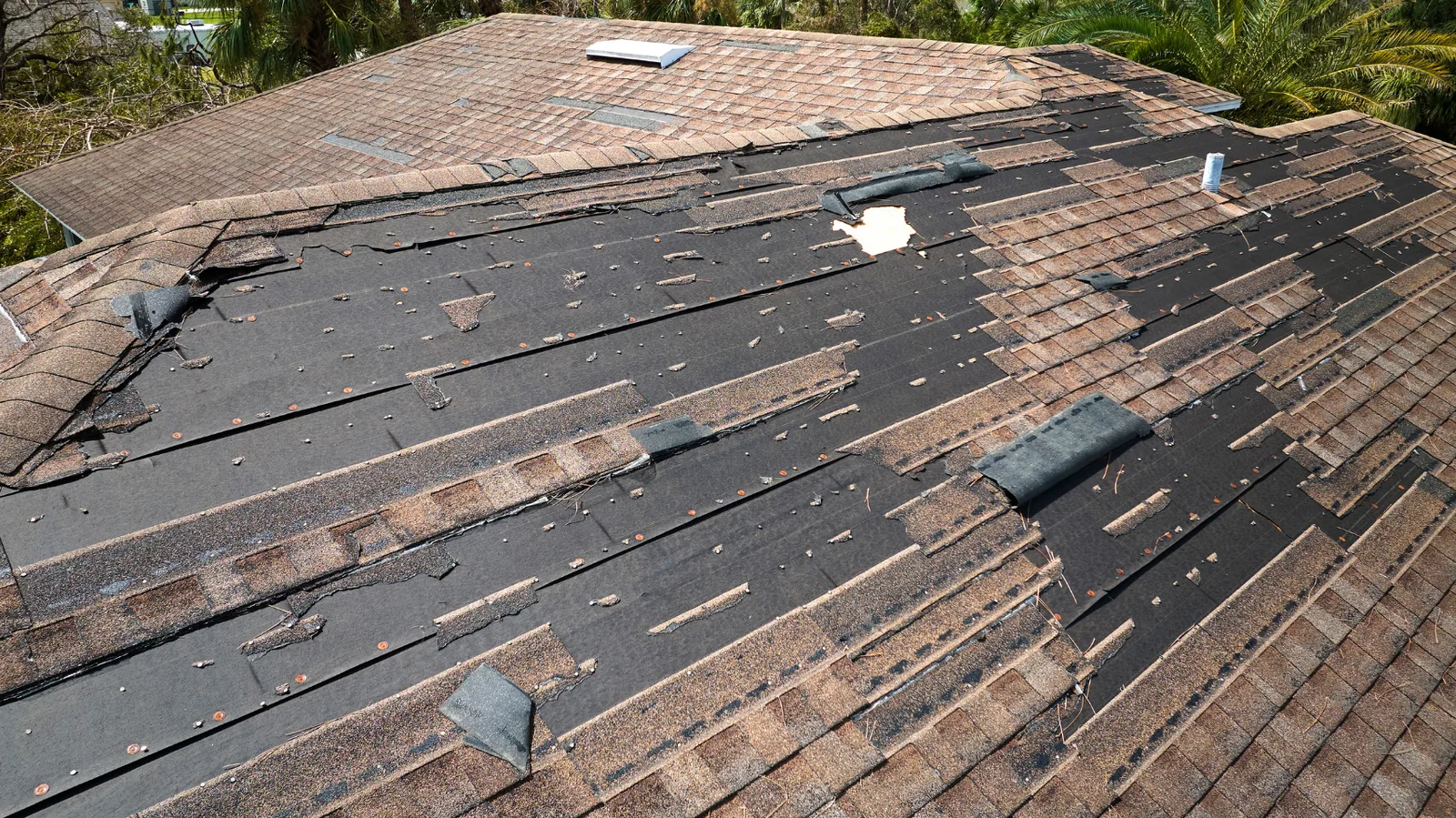
A roof can be damaged before it leaks
A roof does not have to leak immediately for hail to affect it. Impact can disturb the granule surface of asphalt shingles or damage the material beneath. Wind during the same weather event can lift or crease shingles and affect edges or flashing. Those are separate kinds of damage that deserve a specific explanation.
Visible changes elsewhere on the property can prompt a roof check, but they are not a complete diagnosis. A dent in a metal surface does not establish how a shingle performed, and a neighbor’s replacement does not establish the condition at your own address. Roof age, exposure, material and previous work can differ across the same street.
This is why inspecting the actual roof is more useful than deciding on replacement from the storm’s reputation alone. The task is to identify what changed and whether the surrounding material can accept a sound repair.
What the inspection establishes
A roofer looks at the covering and the details that interrupt it, including penetrations, ridges, valleys and wall connections. The position and pattern of damage matter alongside the condition of the roof around it. Access and roof conditions determine what can safely be examined.
The inspection should also separate an observed condition from an inference. Worn granules, weathered seals and earlier repair marks may have causes unrelated to the recent event. Where the visible evidence leaves a question unresolved, further investigation may be needed.
A contained repair depends on serviceable material around the damaged area. If nearby shingles are too brittle to lift and reseal or the damaged area extends farther, the useful scope can change. The amount of work follows the physical conditions.
Where the storm date fits
The date of a storm can be relevant context when reporting a concern or contacting an insurer. It is not proof that a specific roof was damaged. The Moore tornado reference on this site is a selected historical list from 1998 through 2015, not a current Cleveland County hail database.
Keep any safe photographs and relevant dates you already have. Do not climb onto a wet or damaged roof to gather evidence. If water is entering, tell the roofing contact and insurer about the active condition rather than waiting for a historical report to explain it.
The insurer applies the policy to the reported loss. The roof insurance guide explains that process separately from the roofing assessment. An inspection or replacement recommendation does not promise coverage.
Have your Moore roof checked after hail
If the roof has changed after hail or wind, request a free inspection. You can start with what you noticed without knowing whether the useful answer is repair or replacement.
Call (405) 814-1092